Do You Need a Permit for a Bathroom Renovation? Ontario Answers in 2026
Arrowhead Homes • March 17, 2026
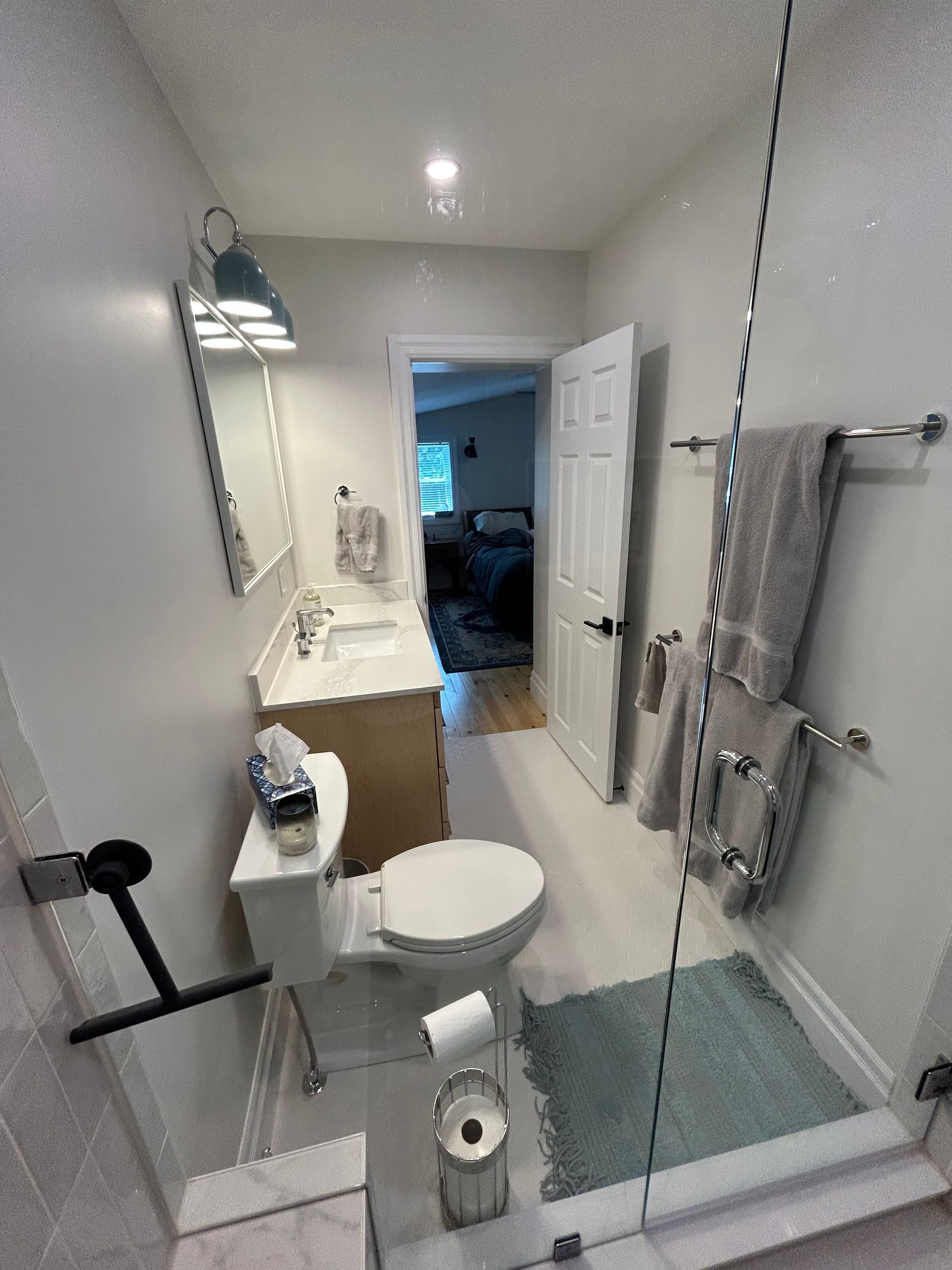
Planning a bathroom renovation in March is a smart move in Peterborough and the Kawarthas. It’s the sweet spot between winter wear-and-tear and the spring rush, and it’s a great time to tackle ventilation upgrades, fix hidden leaks, or refresh an outdated layout before cottage season ramps up. One of the first questions homeowners ask Arrowhead Homes is also one of the most important: do you need a permit for a bathroom renovation in Ontario in 2026?
The short, practical answer: sometimes. It depends on what you’re changing behind the walls, not just what you see on the surface.
What Counts As “Cosmetic” Vs. “Structural” In 2026?
Many bathroom upgrades are cosmetic and often don’t require a building permit, especially when you’re replacing finishes without altering the underlying systems. But once you touch structural elements, plumbing locations, or regulated systems, permits (and inspections) may apply.
Examples that are often cosmetic:
- Replacing a toilet with a similar toilet in the same location
- Swapping a vanity without moving plumbing lines
- Updating tile, paint, mirrors, and accessories
- Replacing a fan with a like-for-like unit (in some cases)
Changes that commonly trigger permit requirements:
- Moving or adding plumbing fixtures (toilet, shower, tub, sink)
- Altering walls, joists, beams, or changing the room layout
- Enlarging windows or adding new windows/doors
- Adding a new bathroom where one didn’t exist
- Any work that impacts fire separation or egress in certain scenarios
Because requirements can vary by municipality (Peterborough, Kawartha Lakes, Lakefield, Havelock, Norwood, Buckhorn, Apsley, and surrounding areas), it’s best to confirm early with your local building department.
When A Building Permit Is Typically Required In Ontario
In Ontario, permits are generally tied to changes that impact safety, structural integrity, or code compliance. For a bathroom renovation, this usually comes into play when the job includes framing changes, significant plumbing work, or anything affecting ventilation and moisture control.
A permit may be required when you:
- Remove or modify load-bearing walls
- Reframe floors for a heavier tile assembly or new shower base
- Relocate drains or add new supply lines within walls/floors
- Install a new bathtub/shower where structural support changes are needed
- Change mechanical ventilation routing or add new ducting through building elements
One important note for homeowners in cottage country: seasonal properties often have older plumbing, undersized venting, or DIY additions from previous decades. That can make “simple” bathroom remodeling more complex once demolition begins, and it’s exactly where proper planning and permit guidance helps avoid delays.
People Also Ask: Can I Renovate A Bathroom Without A Permit In Ontario?
Yes, you can renovate a bathroom without a building permit if the work is truly minor and doesn’t involve structural changes or regulated systems. Think surface-level upgrades: new flooring, a new vanity in the same spot, or replacing fixtures without moving plumbing.
However, even if a building permit isn’t required, electrical and plumbing work can still fall under other rules. For example, many electrical tasks must be completed by a licensed electrical contractor, and some plumbing changes should be completed by qualified trades to meet code and protect resale value.
If you’re unsure, a good rule is this: if you’re opening walls, moving plumbing, or changing the layout, ask before you build.
Why Permits Matter For Resale, Insurance, And Peace Of Mind
Permits are about more than paperwork. They help protect homeowners from common renovation risks like hidden water damage, mold from poor ventilation, or unsafe structural modifications.
In Peterborough and the Kawarthas, we also see real-world benefits when it comes to:
- Future resale questions about “was this work permitted and inspected?”
- Insurance claims that may scrutinize unpermitted renovations after a leak
- Long-term durability in high-humidity spaces, especially in older homes
A well-documented bathroom renovation is often easier to stand behind, both as a homeowner and as a contractor.
Local Tips For Planning A March Bathroom Renovation
March is ideal for indoor projects, but local conditions still matter. Snowmelt and freeze-thaw cycles can reveal foundation moisture and ventilation issues that show up first in bathrooms.
Consider these early planning steps:
- Book a bathroom design consultation before spring contractor schedules fill up
- Confirm lead times for tile, vanities, and custom cabinetry (often longer than expected)
- Plan for ventilation upgrades to prevent condensation and mold
If it’s a cottage, verify winterization, water supply type, and septic capacity before expanding fixture count
How Arrowhead Homes Helps With Bathroom Renovation Compliance
Arrowhead Homes provides bathroom renovation support across Peterborough, Keene, Norwood, Havelock, Ennismore, Lakefield, Curve Lake, Buckhorn, Kawartha Lakes, Minden, Kinmount, Irondale, Gooderham, Roseneath, Apsley, Bobcaygeon, and Port Perry. As a general contractor, we help coordinate the renovation scope, clarify when permits may be needed, and keep your build organized from demolition through finishing.
Ready To Renovate With Confidence This Spring?
If you’re considering a bathroom renovation in 2026 and want clarity on permits, layout changes, tiling, fixture installation, and long-term performance, Arrowhead Homes can help you plan it the right way from the start. Contact us to discuss your bathroom remodeling goals in Peterborough or the Kawarthas and get a quote that’s built on craftsmanship, honesty, and trust.
Share This Blog