Why Vinyl Siding Buckles in the Summer Heat and How to Fix It
Arrowhead Homes • August 5, 2026
Noticing wavy or warped panels on the side of your house is a frustrating experience for any homeowner. As summer temperatures rise across Peterborough Ontario many houses start showing signs of exterior stress. Arrowhead Homes routinely inspects properties where the cladding has buckled under the sun and we understand exactly why this happens. Fixing vinyl siding warping requires understanding the materials and the methods used during the initial installation.
When building materials fail prematurely it often comes down to improper application rather than a defective product. The hot summer months expose these hidden flaws by pushing building materials to their physical limits. We are going to walk through the root causes behind wavy siding and explain the correct way to restore your home exterior.
What We Cover:
- The Physics of Heat on Exterior Vinyl
- The Mistake of Nailing Materials Too Tight
- Why DIY Siding Repair Usually Fails
- Can warped vinyl siding be fixed without replacing the whole wall?
- The Professional Approach to Exterior Restoration
The Physics of Heat on Exterior Vinyl
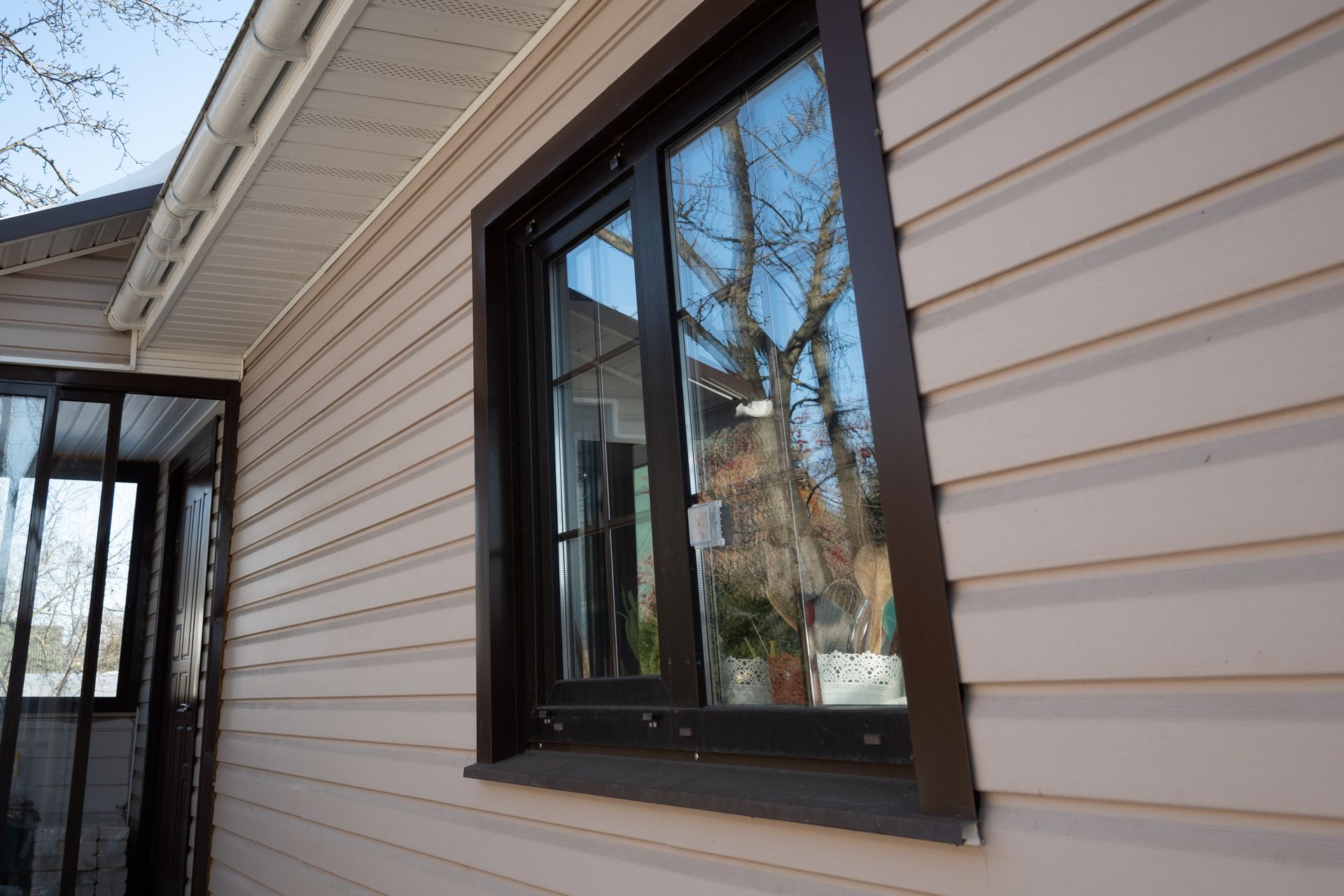
Vinyl is essentially a type of plastic which means it reacts significantly to temperature changes. When direct sunlight hits your home during a hot afternoon the siding absorbs that solar energy and begins to expand. A standard panel of vinyl can expand by more than half an inch over its length when temperatures peak.
This expansion is a normal part of how the material functions and the siding is manufactured to accommodate it. The problems only begin when the panels are not given the physical room they need to stretch out along the wall.
→ A quick tip to remember: Darker siding colors absorb significantly more solar heat and expand at a much faster rate than lighter shades.
The Mistake of Nailing Materials Too Tight
The most common reason siding buckles is poor installation practices. Vinyl panels are designed with horizontal nailing slots rather than simple round holes. These slots allow the panel to glide back and forth across the nail shaft as the material heats up and cools down. If a contractor drives the nails tight against the vinyl the panel becomes pinned to the wall sheathing.
When a pinned panel expands under the hot summer sun it has nowhere to slide. The thermal pressure builds up along the length of the material until it finally bows outward creating a wavy appearance.
Dealing with these kinds of construction errors requires a contractor who communicates clearly and adapts to the specific needs of the property. This level of meticulous care is a standard the team at Arrowhead Homes brings to every single jobsite.
► Client Experience: We reached out to about a dozen home renovators and are delighted we found Arrowhead. Eric and Jeff are meticulous, adaptable, highly communicative, and offered strategic ideas on the fly that added tremendous value to our project. We didn't know exactly how we wanted to update our cottage living room but Eric and Jeff worked closely with us to figure it out. They stay on budget, manage their subconsultants well (and they use great subs too), and keep you well informed throughout the entire project. They will even tolerate your persistent golden retriever who thinks he's helping out. We'll definitely contact Arrowhead again for future projects. An A+ job! - Cam Lang
Having a contractor who manages trades properly ensures siding installation is done right the first time so you avoid these thermal buckling issues.
Why DIY Siding Repair Usually Fails
When homeowners see a buckle in their siding the immediate instinct is often to push it back into place and drive a new nail through it. This is the worst possible approach you can take. Adding more nails simply creates more rigid anchor points which guarantees the panel will warp even worse the next time the sun hits it.
Other common DIY mistakes include using a heat gun to melt the vinyl back into shape. This destroys the structural integrity of the plastic and leaves permanent scorch marks on your home exterior. Attempting to force the materials into submission always results in further damage to the wall assembly.
Can warped vinyl siding be fixed without replacing the whole wall?
Yes you can replace a single warped panel without stripping the entire side of your house. A professional uses a specialized zip tool to unhook the overlapping seam of the panel sitting above the damaged section. Once the nails are exposed they are carefully removed and a new panel is locked into place with the proper spacing. As long as you can source a color match the repair blends right in.
The Professional Approach to Exterior Restoration
Handling exterior siding services correctly means taking the time to assess the entire wall. When we remove a buckled panel we also check the weather barrier and the structural sheathing underneath. Sometimes warped siding allows water to bypass the protective layer which can lead to rot in the wood framing.
If deeper issues are discovered our general contracting experience allows us to address the framing damage before installing the new siding. We ensure every nail is left slightly proud of the vinyl surface allowing the panels to float freely.
→ From a professional standpoint: Finding the root cause of the buckling is more important than just swapping a damaged panel for a new one.
Keeping Your Home Exterior Protected
Properly installed siding is your first line of defense against the elements. If you notice buckling or wavy panels on your house it is a clear sign that the materials are under severe stress. Getting those panels replaced correctly will restore both the visual appeal and the weatherproofing of your property. Contact Arrowhead Homes today to schedule a siding inspection and get your exterior back in shape.
Share This Blog